





Acquisition Proposal
As Boards of Directors seek to meet the challenge of increased diligence in meeting their responsibilities for management oversight, the approval of an acquisition proposal provides an excellent sample of action that can be taken.
We have all heard about the success rates for acquisitions at least two fail for each success. As a board member asked by management to review and approve an acquisition proposal, you must search your soul. On the one hand, you want to be supportive of your management group and all the work they have put into the project before bringing it to the board. On the other hand, your obligations to the interests of the shareholders require you to consider those statistics of historical success before allowing them to proceed.
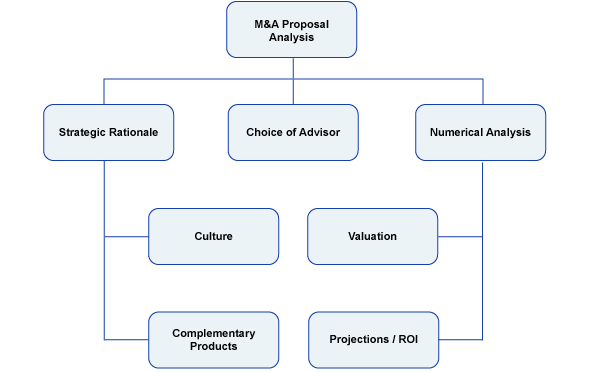
If you were to retain the Chesterfield Group to assist with the analysis, we would try to add a new dimension to the process. To illustrate, let's consider the following chart to describe management's submission:
The Chesterfield Group process would raise the analysis up one level of abstraction, and it would look more like the following:
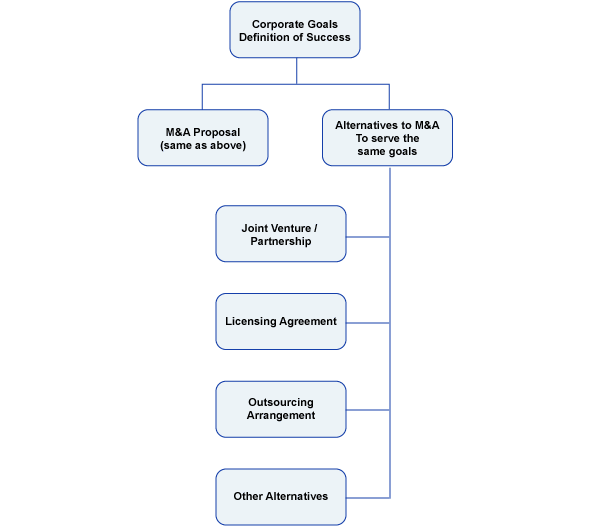
We will supplement Management's presentation of the M&A proposal by putting it in the perspective of alternative structures to meet the same corporate goals. This will involve considerable discussion of exactly what those goals are, a clear understanding of your corporate Business Model for achieving those goals and an analysis of your competitive strengths and constraints. In this way we will assist in providing a context within which to evaluate the acquisition proposal. Most boards consider this one way to "take the extra step" in their due diligence, consistent with meeting shareholder expectations in the post Enron world.
For a more detailed discussion of M&A alternatives, please read the white paper, "The M&A Paradox"
Developing and analyzing alternatives to acquisitions is right at the center of the expertise of the Chesterfield Group. Unlike most traditional consulting companies, who concentrate on serving the needs of Management, it seems to us that the situation above presents us with a need for Boards of Directors specialized advice which is independent of Management.